
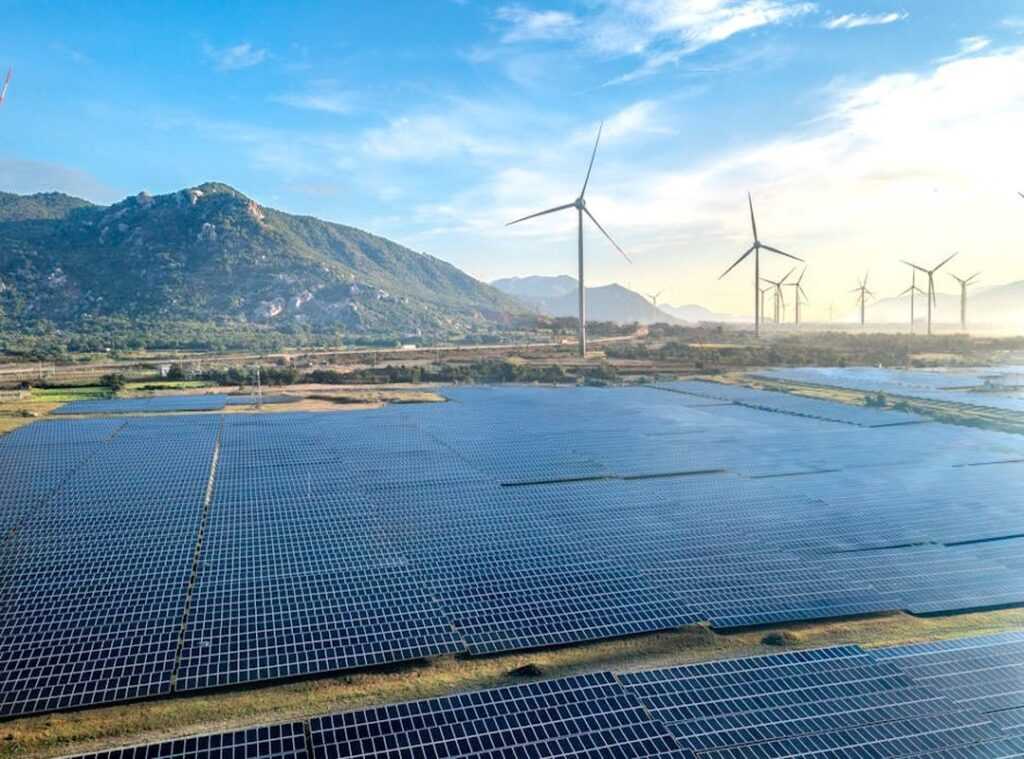
We all hear about clean energy. But the technology behind it can feel complex and overwhelming. Does it really have to be this way? Let’s cut through the noise and look at what’s actually shaping things right now. The most exciting and practical renewable energy tech isn’t mysterious at all, it’s worth understanding because it’s already changing how we power everything.
I’ve spent years chasing down tech innovations, digging into how they actually work and what makes them tick. Power grids. Smart devices. Most people don’t realize at first glance how the whole ecosystem’s linked, though once you start looking, the dependencies are everywhere.
These technologies are getting smarter. They’re also seamlessly integrating into our daily lives, whether we notice or not. You’ll get a clear, fluff-free understanding of what’s actually happening in sustainable energy. How is this changing our future? That’s what we’re about to explore.
Let’s get started.
The classics, reimagined: solar, wind, and hydro
Renewable energy tech is not what it was ten years ago. It’s like the tech’s been hitting the gym (stronger,) sleeker, and definitely smarter.
Imagine solar panels that don’t just sit on rooftops anymore. Transparent solar windows and solar fabrics can turn your clothes into tiny energy sources. Your jacket could charge your phone. It sounds wild, but the tech’s already here, companies are working on it right now. The catch? Efficiency still needs work. But the potential’s massive. A world where your entire wardrobe generates power while you walk around? That’s not science fiction. It’s just science that hasn’t quite scaled yet.
Solar power’s transformed fast. Panels soak up the sun and convert it to electricity, sure, but Perovskite materials are shifting what’s possible. They’re boosting efficiency in ways that seemed out of reach just years ago, which is why researchers and manufacturers can’t stop talking about them.
Wind power’s about way more than those giant turbines you see on the horizon. They’re iconic, sure. But the real innovation? It’s happening offshore, where floating wind farms are tapping into stronger, steadier winds far out at sea, and that fundamentally changes everything about how we think of renewable energy capacity.
Then there’s the bladeless turbine, quieter, way better for birds since they don’t slice through the air like traditional designs. Less noise pollution. Fewer wildlife casualties. The appeal’s straightforward, and it’s hard not to notice the underlying question: what if we didn’t have to choose between clean energy and not killing everything? Someone’s finally building that option.
Then there’s hydropower, which goes way beyond the concrete dams most people picture. Sure, those traditional dams are still generating power. But run-of-river systems are changing the game, they’ve got a smaller environmental footprint and don’t require massive reservoirs. Pumped-hydro storage? That’s where it gets interesting.
It’s essentially a giant ‘water battery’ for the grid, storing energy for when we need it most. A water battery. Who would’ve thought?
All these advancements are reshaping how we think about energy. It’s not just about keeping the lights on anymore; it’s about doing it smarter, cleaner, and with a little flair. If you’re curious about how these changes tie into broader technological shifts, you might want to check out an interview with a cybersecurity specialist.
Because, let’s face it, everything’s connected these days.
Beyond the big three: the new energy frontiers
Let’s talk about some emerging energy rockstars shaking up the scene. First up: geothermal energy. There’s basically a natural power plant humming away beneath our feet, waiting to be tapped.
That’s geothermal. It’s like tapping into Earth’s own furnace, and the thing is, it never shuts off. Solar needs the sun. Wind needs a breeze. Geothermal? It’s just constantly there, pumping heat up from deep underground whether it’s midnight or noon, cloudy or clear.
A 24/7 power source? Yes, please. It’s high time we recognize its potential.
Now, to the ocean. Tidal and wave power are two exciting possibilities. Picture this: harnessing the ocean’s energy.
Think about it. The tides come and go with a predictable rhythm, like clockwork. You can’t get that kind of reliability from much else.
The oceans are vast, and their potential is almost untapped. We’ve barely scratched the surface of what they can do for renewable energy. Wind farms rising from the water. Tidal generators harnessing currents. Wave energy converters that turn motion into power. Each one’s still nascent, but the possibilities keep expanding. The ocean doesn’t care about our timelines, doesn’t slow down for bureaucracy or cost projections. It just keeps moving, keeps pushing resources to anyone willing to capture it.
And then there’s green hydrogen. Confusing at first, yeah, but the basic idea is simple enough: if you’ve got surplus solar or wind power sitting there, why let it go to waste?
Use it to split water into hydrogen. This hydrogen isn’t just for storing energy. It can also power vehicles and generate electricity later.
And all it leaves behind is water. No pollution, just clean energy.
These technologies are stepping up to diversify our options. We can’t rely on just solar and wind forever. It’s time to embrace what’s next.
Curious about more on these innovations? Check out renewable energy tech. Let’s keep pushing the boundaries.
The secret sauce: how AI and smart tech make it all work better
Ever wondered what’s really behind the buzz of renewable energy tech? It’s not just about slapping a few solar panels on a roof. The actual innovation happens in the engineering, in the systems that make it all work together.

AI and smart tech are the unsung heroes, turning the complex dance of energy flow into a well-choreographed routine.
The smart grid isn’t your granddad’s grid. It anticipates demand the way a meteorologist forecasts weather, before the surge hits. It learns patterns, adjusts in real time, talks back through your meter. That’s it, that’s the real shift. Old grids work one way: power flows from plant to home, period. Smart grids? They’re conversations. Sensors feed data back to utilities every few seconds, constantly balancing supply and demand on the fly, so when you turn on the AC at 6 p.m., the system’s already seen it coming and shifted generation to meet you there.
When a heatwave hits, the grid reroutes power from a sunny solar farm. That’s the system working. Your AC keeps running when it matters most, and the whole setup avoids blackouts that used to tank neighborhoods back in the summer of 2015. It’s not magic, it’s infrastructure that actually learned from failure.
But we’re not stopping there. The tech does more than keep the lights on, it actually optimizes energy generation. Imagine AI systems fine-tuning wind turbine blades to catch more wind, or analyzing weather patterns to predict solar output hours ahead.
It’s like giving Mother Nature a tech upgrade.
And how does this all connect back to us, the users? Well, smart grid tech isn’t just a one-way street. It talks to our homes, syncing with smart thermostats and EV chargers.
You’re saving money and reducing strain on the grid by using energy during off-peak hours (pretty slick, right?).
Here’s a pro tip: how tech leaders build innovation is key to these advancements. If you’re curious about how this all ties into broader innovation strategies, check out how tech leaders build innovation.
In the end, it’s about working smarter, not harder. Who knew a mix of AI and renewable energy tech could make such a difference? Now, isn’t that something worth getting excited about?
Bringing it home: sustainable tech in your life
Renewable energy tech is quietly making its way into our homes. You’ll see rooftop solar panels everywhere now, they’re basically as common as backyard grills. What was once just for the ultra-green crowd? Anyone can harness the sun.
Home battery systems like Tesla’s Powerwall let you store that energy for nighttime or grid outages. You’ve got power when the sun’s down. No blackout. No scrambling to find flashlights at midnight. It’s the difference between watching your lights flicker and actually sleeping through a storm.
Then there’s the smart thermostat revolution. I’m talking about Nest or Ecobee, not just fancy timers. They learn your habits.
You’re not just saving on your bill, you’re cutting waste. They’re more like a quiet roommate who knows when to turn the heat down.
That’s the kind of future we’re looking at.
Ever thought about your electric vehicle as more than just a car? With Vehicle-to-Grid (V2G) tech, your EV could one day power your house, imagine your car helping keep the lights on during an outage. It’s a wild shift. Your battery becomes backup power. During peak demand hours, utilities could pull stored energy from your vehicle back onto the grid, and you’d get paid for it. The whole setup transforms your EV from a transportation tool into a distributed energy resource. It works. Every major automaker’s exploring it now.
So, are you in on this? Because it’s here, and it’s only getting bigger.
Energize your future
Renewable energy tech moves quick these days. Smarter, too. Keeping pace with it all? That’s another story entirely.
Trust me, you’re not alone.
The key is understanding how AI and IoT are making these technologies smarter. You’re not just a spectator. You can influence this change.
Imagine being at the forefront instead of playing catch-up.
Curious? You should be. Dive into these innovations.
Ask yourself: which smart, sustainable technologies fit your life? Explore. Learn.
Grdxgos.com has the takeaways you need. Start today and power your tomorrow.

 Della Lovellerds writes the kind of smart device integration tactics content that people actually send to each other. Not because it's flashy or controversial, but because it's the sort of thing where you read it and immediately think of three people who need to see it. Della has a talent for identifying the questions that a lot of people have but haven't quite figured out how to articulate yet — and then answering them properly.
They covers a lot of ground: Smart Device Integration Tactics, Innovation Alerts, Tech Optimization Hacks, and plenty of adjacent territory that doesn't always get treated with the same seriousness. The consistency across all of it is a certain kind of respect for the reader. Della doesn't assume people are stupid, and they doesn't assume they know everything either. They writes for someone who is genuinely trying to figure something out — because that's usually who's actually reading. That assumption shapes everything from how they structures an explanation to how much background they includes before getting to the point.
Beyond the practical stuff, there's something in Della's writing that reflects a real investment in the subject — not performed enthusiasm, but the kind of sustained interest that produces insight over time. They has been paying attention to smart device integration tactics long enough that they notices things a more casual observer would miss. That depth shows up in the work in ways that are hard to fake.
Della Lovellerds writes the kind of smart device integration tactics content that people actually send to each other. Not because it's flashy or controversial, but because it's the sort of thing where you read it and immediately think of three people who need to see it. Della has a talent for identifying the questions that a lot of people have but haven't quite figured out how to articulate yet — and then answering them properly.
They covers a lot of ground: Smart Device Integration Tactics, Innovation Alerts, Tech Optimization Hacks, and plenty of adjacent territory that doesn't always get treated with the same seriousness. The consistency across all of it is a certain kind of respect for the reader. Della doesn't assume people are stupid, and they doesn't assume they know everything either. They writes for someone who is genuinely trying to figure something out — because that's usually who's actually reading. That assumption shapes everything from how they structures an explanation to how much background they includes before getting to the point.
Beyond the practical stuff, there's something in Della's writing that reflects a real investment in the subject — not performed enthusiasm, but the kind of sustained interest that produces insight over time. They has been paying attention to smart device integration tactics long enough that they notices things a more casual observer would miss. That depth shows up in the work in ways that are hard to fake.